|
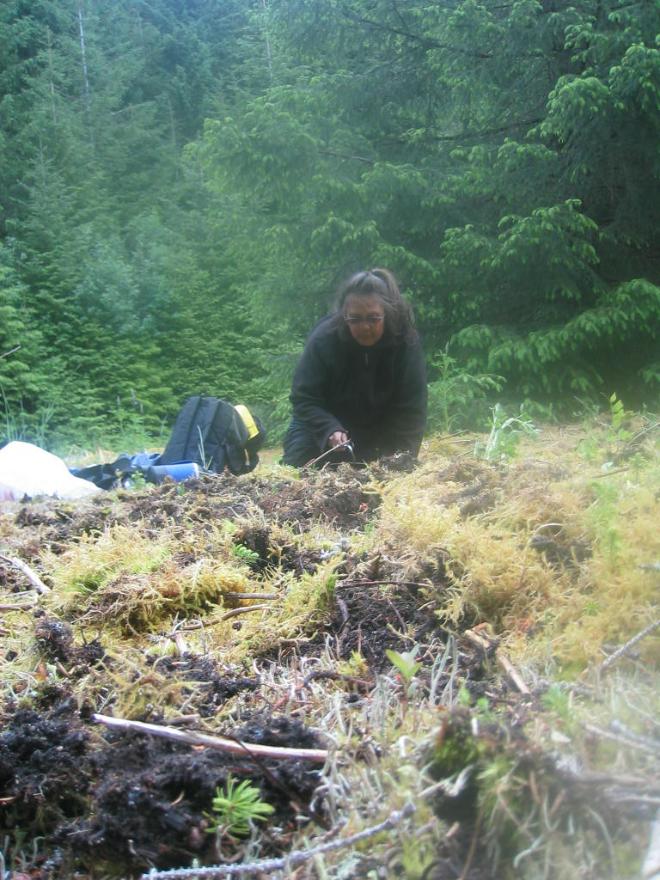
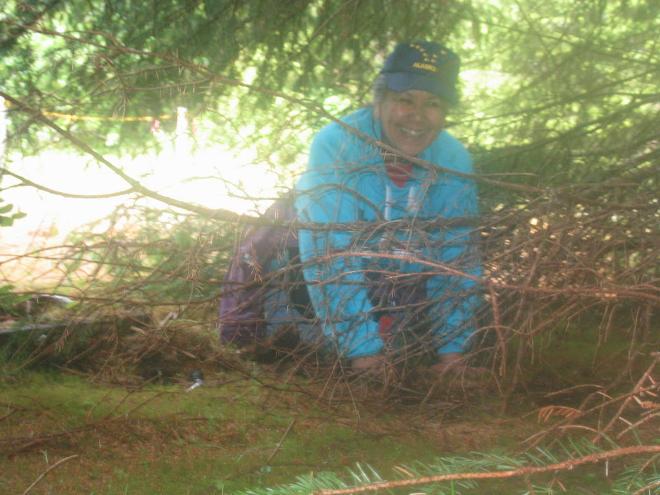
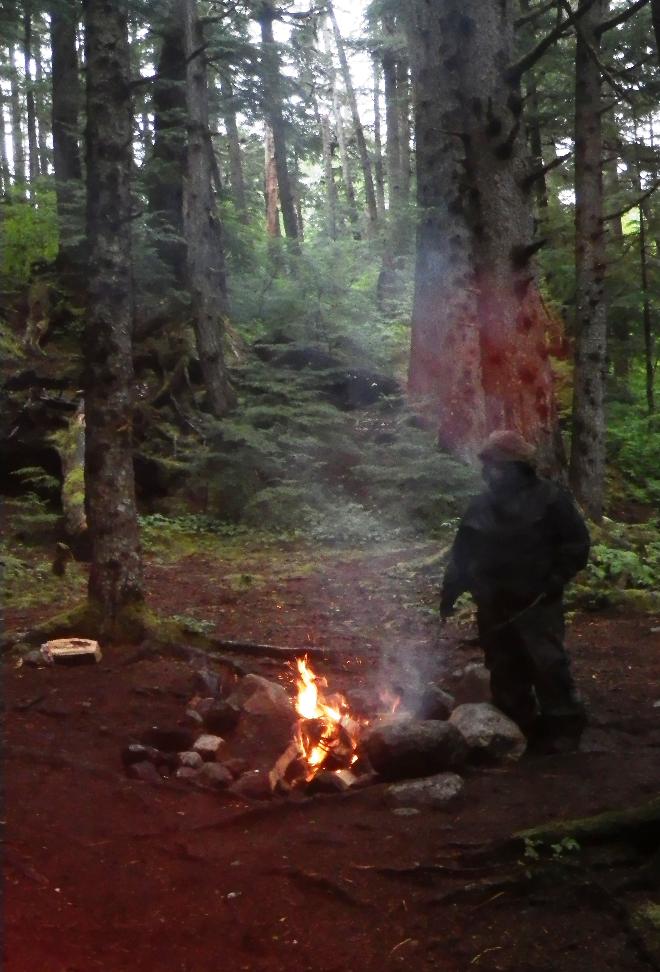
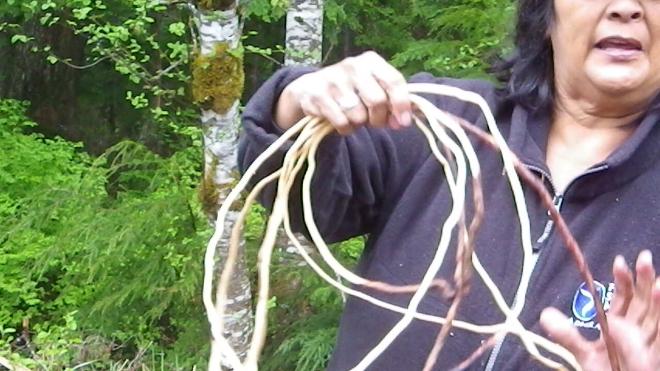
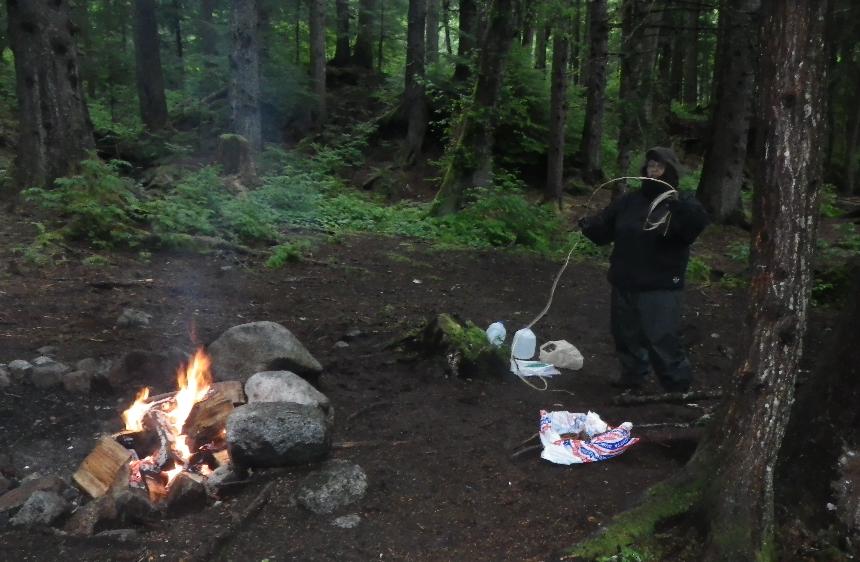
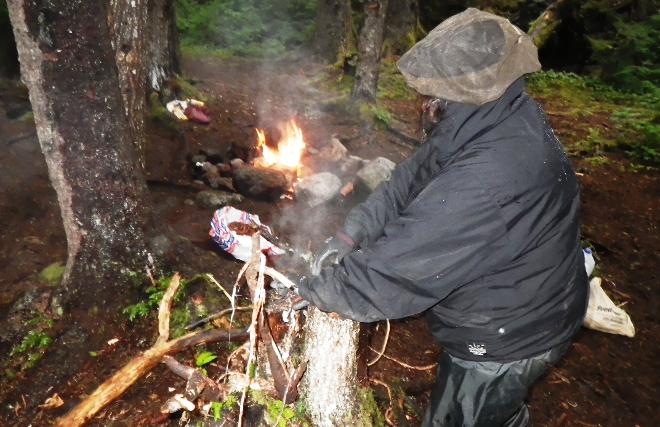
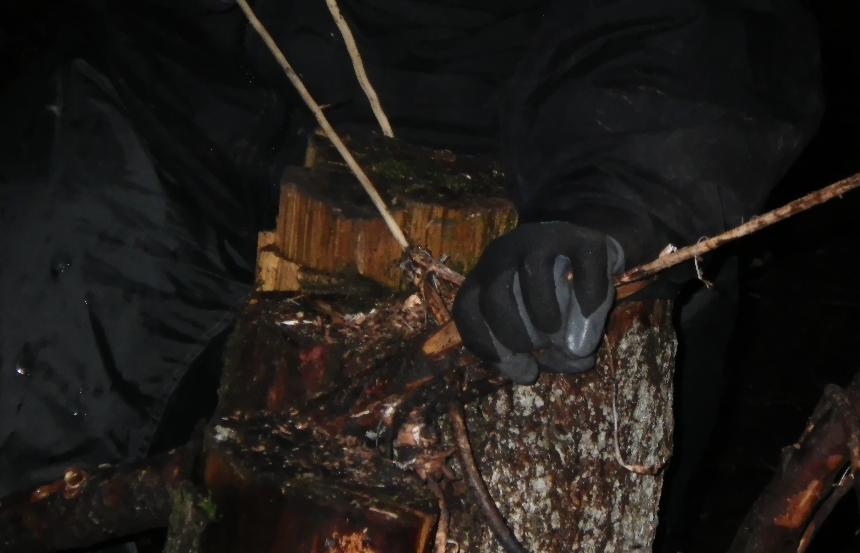
Spruce is strong for it's weight, Howard Hughes flew a plane made out of spruce. The high pitch content helps strengthen and preserve it. A master weaver can make a basket that holds water. Baskets were used to collect berries, roots, and shellfish for storage and for food preparation and serving. The flat-bottomed cylindrical berry basket is an older form. Large berry carrying baskets were worn on the back, and the smaller berry picking baskets would be emptied into them. Spruce root baskets are flexible and non-rigid; large berry baskets were often stored folded flat. Other forms include open-work strainers, plaques, cups, bowls, and rattle-top round boxes in which pebbles or lead shot were placed inside the basket. Newer forms are trays, teacups, and covered glass bottles. Some baskets are naturally dyed with a made with a process that takes weeks. Natural dyes were made from moss, huckleberry, sulphuric mud, alder bark, and hemlock bark steeped in urine. Commercial aniline dyes were used as early as 1890. Tlingits have made some of the finest examples of two-strand twining; their spruce root baskets use bold geometric designs in warm hues of brown, yellow, red and orange. The baskets are decorated in false embroidery, using bleached, and dyed grass wrapped around the weft; visible only on the outside of the basket. Abstract natural designs lie the butterfly wing, whale’s teeth, path of the woodworm, tail of the raven, fern frond, and flying goose, animals, tattoos and labrets. Later baskets showed Hudson Bay blankets and the Christian cross. Before one harvests spruce roots, the weaver says thank you to the spirit of the tree for the gift it is sharing. One might give thanks with a song prayer, and/or offering. Harvesting of the materials is not a seperate act and is part of the whole; an annual spiritual ceremony of the weaver. This ceremony commerates and acknowledges the gifts of the earth. The roots are selected for evenness, pliability, length, diameter, particular use and application. The spruce roots are dug, roasted, stripped, coiled and split. Only smaller roots of trees with abundant root growth, are harvested. To minimize the impact, and in respect for all life, spruce roots are gathered from the trees, found in an area which have little or no plants. The preperation and harvesting and preparation requires great skill, and is lengthy. The harvesting time for Spruce Roots is approximately the same time it is for Cedar bark. The Spruce tree is found primarily in the low lands, unlike Cedar that is found high in the mountains. After digging we roast the roots and take the outer bark off. The roots are washed and then the splitting process begins. If the roots are left wet they will discolor and there is a high possibility of them becoming infected with a fungus. The splitting process takes about 2 days. With Spruce Roots, we could start a basket right away, unlike a Cedar Bark basket where we have to wait for 2 years. We are careful to take only what we can process and rotate areas of harvesting from year to year. |
Phone number: 907-957-9589